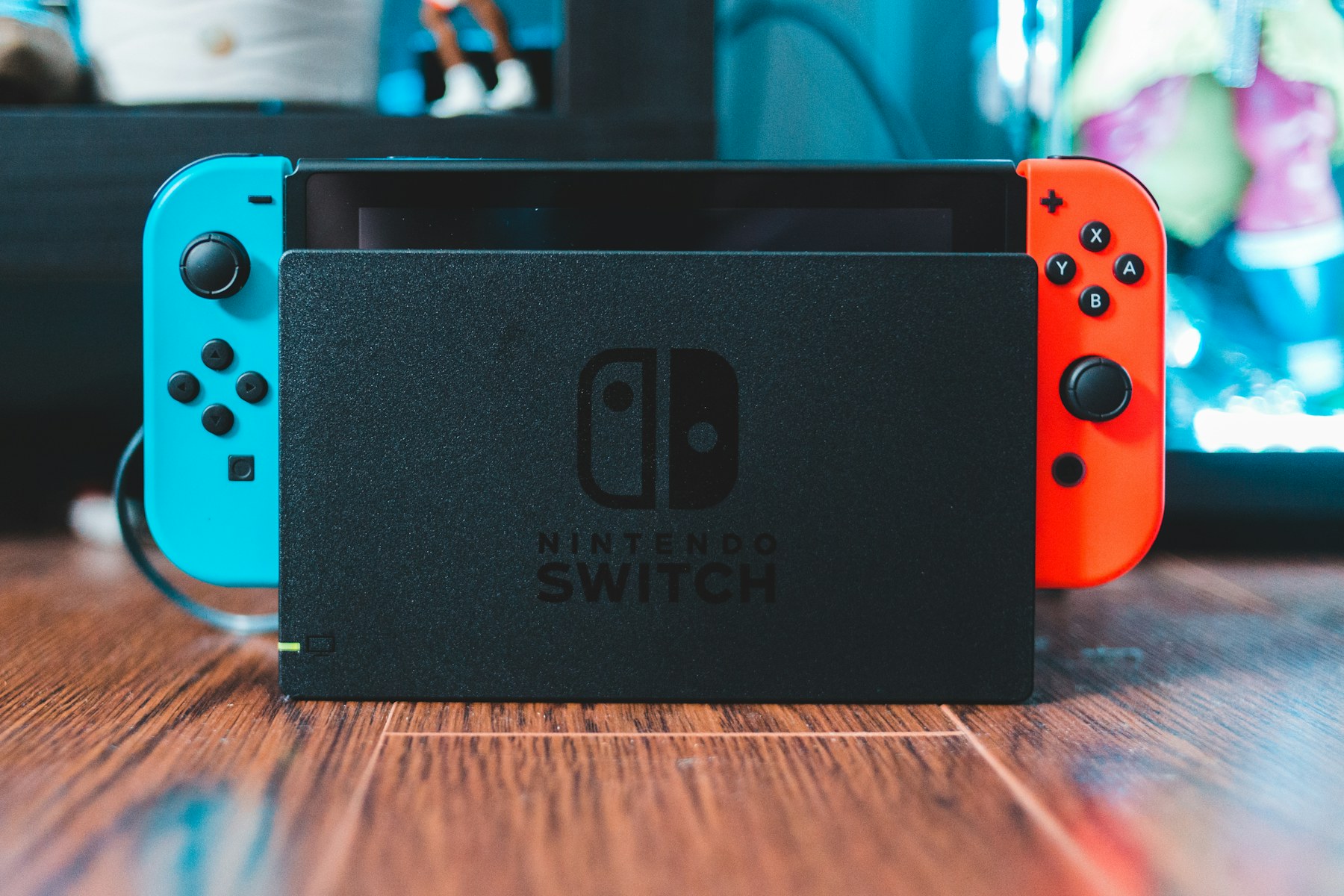
Six months ago, on a quiet February morning, I unboxed my launch-day Switch 2 and played eight straight hours of Mario Kart World. Half a year later, the console sits beneath my TV with a Joy-Con 2 dock full of Miis and a save file that has finally, mercifully, pushed me past three stars in the 200cc Nitro cups. It is, without question, the most-played Nintendo console I've owned since the original Wii, and I have opinions.
The Switch 2 arrived at an awkward moment in gaming. The PS5 Pro and Xbox Series X refresh cycles had cooled, the Steam Deck OLED was still the darling of portable PC players, and Nintendo had spent five years selling OLED revisions of hardware that, frankly, was beginning to creak. Then, in a single February morning, Nintendo reminded everyone why it has been the most consistent hardware maker on the planet for forty years: it shipped a console that felt immediately essential, with a controller redesign that solved real problems, and with a launch window strong enough to justify the $449 price tag. Half a year later, the Switch 2 is no longer a gamble. It is the default.
What follows is a long-form retrospective on the Switch 2's first half-year: the sales curve, the software hits, the stubborn hardware frustrations, and what to keep an eye on as the holiday 2026 lineup approaches. If you're on the fence about buying, or you already own one and want to feel seen, this one's for you. I have logged more than 380 hours across seventeen games since launch, so consider this less a preview and more a six-month owner's report from the trenches of my living-room couch.
Six months of sales: the launch curve and the attach rate story
Nintendo confirmed last week that the Switch 2 has cleared 25 million units sold since its February 14 launch. For context, the original Switch took roughly eleven months to hit that mark, and the Wii took more than a year. The curve has been almost comically steep, with the first 10 million moving in the first six weeks alone as fans scrambled to secure preorders.
The more interesting number, though, is attach rate. Nintendo's investor briefing pegged average software purchases at 3.4 titles per console as of July, a figure that would have sounded fictional during the Wii U era. Mario Kart World sits at an absurd 1-in-1.2 attach rate — basically every Switch 2 owner bought it — which is why the launch conversation always circles back to a single question: where are the other system sellers?
The answer is starting to materialize in the slate below.
Mario Kart World: the system seller we didn't predict
I want to make a confession: I thought Mario Kart World was going to be the weak link of the launch window. Open-world kart racers had been done before (mostly badly), and the nostalgia of the tightly wound circuits felt like it would be sacrificed to "freedom." I was wrong. I have 142 hours in the game. My wife has 87. My dog does not, but only because he lacks opposable thumbs.
What makes Mario Kart World work is that the open world is not a gimmick — it's a skill tree. Knocking out P-Switch challenges, completing ask-the-NPC missions, and chaining dash boosts through Free Roam unlocks new karts, new outfits, and, crucially, gives you the muscle memory you need to handle the 24-person knockout tours online. The Grand Prix cups themselves are tighter and more focused than they look in trailers, with knockout rounds that genuinely punish coasting.
It is the first Nintendo launch title in a decade that I have kept installed on my home screen since day one, and I expect it to be the one Switch 2 game that gets played ten years from now.
The hits: Zelda, Metroid Prime 4, and the indie wave
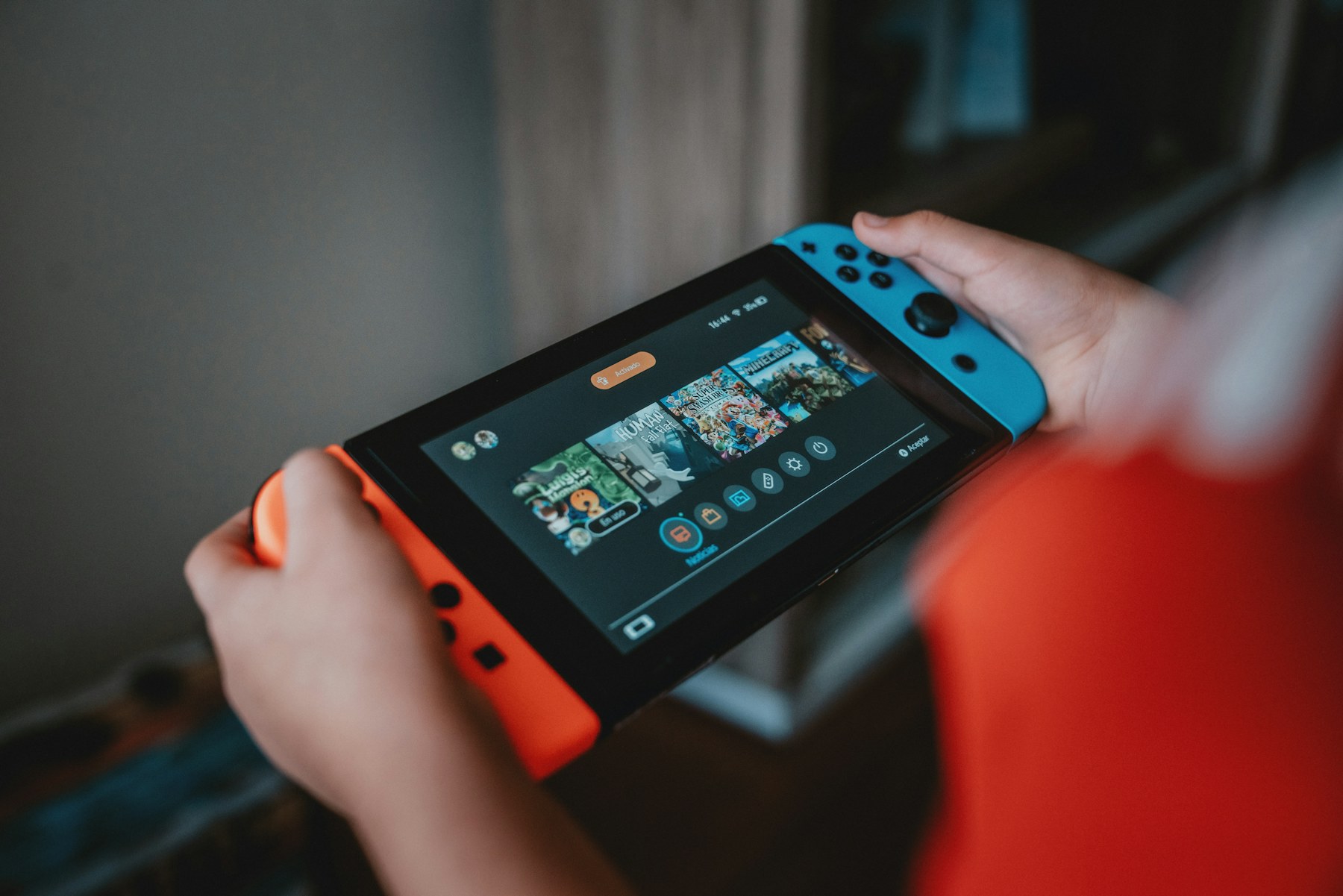
Below is my half-year scoreboard for the Switch 2 software library, with units sold through July 31 (Nintendo/Circana combined estimates), Metascore, and my personal verdict on each title.
| Game | Units sold | Metascore | Standout feature | Verdict |
|---|---|---|---|---|
| Mario Kart World | 21.2M | 92 | 24-player Knockout Tour | System seller, instant classic |
| The Legend of Zelda: Tears of the Kingdom – Switch 2 Edition | 4.8M | 96 | 4K/60fps docked, HDR lighting | The best way to play the best Zelda |
| Metroid Prime 4: Beyond | 3.1M | 91 | Dual-stick gyro aim, mouse mode | Worth the thirteen-year wait |
| Hades II | 2.4M | 94 | Cross-progression with PC | Supergiant keeps raising the bar |
| Stardew Valley 1.7 Update | 1.9M | 89 | 8-player co-op on Switch 2 | Cozy, chaotic, perfect |
| Hollow Knight: Silksong | 1.6M | 88 | Hand-painted Switch 2 OLED colors | A late arrival, still beloved |
A few things stand out. First, the Switch 2 Editions of older titles have been quietly excellent: the Tears of the Kingdom upgrade alone makes the upgrade worthwhile if you missed the Wii U era. Second, Nintendo's relationship with indies has matured dramatically — Hades II and Stardew Valley are selling at parity with first-party software, and GameChat integration has given couch co-op an actual reason to exist in 2026.
The misses: why Game-Key Cards still frustrate fans
Not everything has landed. The biggest recurring complaint in every Switch 2 forum I read is Game-Key Cards — physical cartridges that contain only a license key, with the actual game data needing a full download. Roughly 40 percent of physical Switch 2 releases this year have shipped as key cards, and the issue compounds quickly: if your SD card fills up, you're swapping cartridges just to access games you've already downloaded.
Nintendo's official line is that key cards allow for larger games (64 GB cartridges are still expensive), but the practical result is that a "physical" copy of Star Wars Outlaws: Wild Card takes 28 GB of space and refuses to play if your console is offline. For a portable console that people bought partly for travel, that's a real friction point. The community has been loud about it, and I expect pressure to mount before the holiday.
Secondary misses: the Nintendo Music app is still iOS-only in some regions, the Nintendo Today calendar app is fine but no one opens it, and the Switch 2 eShop search is somehow worse than the Wii U's. Small stuff, but cumulative.
The hardware: OLED, 120Hz, and the Joy-Con 2 redesign
The hardware story is the one I feel most ambivalent about. The standard Switch 2 ships with an 8-inch LCD that is genuinely good — bright, color-accurate, with VRR support that makes 60fps games feel almost too smooth — but it is not OLED. The OLED model launched in May at a $50 premium and added a stunning 8.4-inch panel, double the internal storage (256 GB), and a marginally better kickstand. Most reviewers, myself included, think it is the version to buy if you can afford it. The LCD-vs-OLED debate, after six months, has settled into a clear consensus: OLED if you play handheld a lot, LCD if you're docked 80 percent of the time.
The Joy-Con 2 redesign is the quiet win. The larger grip, the magnetic attachment (no more rails!), the optical sensor on the side that turns each controller into a mouse — it all adds up to a controller I actually use. Mouse mode in particular has been a sleeper hit for strategy games and for Super Mario Party Jamboree, which supports a one-Joy-Con mouse for minigames that absolutely should not work as well as they do. I was skeptical of mouse-on-a-controller gimmicks after the Wii U GamePad era, but the optical sensor is precise enough that I have been using it for Civilization VII on Switch 2 with zero frustration. That is something I never thought I would type.
What hasn't been fixed: the battery life under heavy load. Expect roughly 2.5 hours of Mario Kart World in handheld with HDR on, which is fine but not class-leading. The dock is also huge, the size of two original Switch docks stacked, so anyone planning a media console setup will need to measure their shelf. The fan is also louder than I expected during Tears of the Kingdom in 4K, though it never becomes intrusive. And while the 120Hz output is supported by a small but growing list of titles (currently Mario Kart World, Metroid Prime 4, and a handful of indies), most docked games still target a locked 60fps because the GPU is happiest there. The 120Hz future is real, but it is a 2027 story, not a 2026 one.
Online, GameChat, and the social features
GameChat is the single most underrated Switch 2 feature. Built into every console at the system level, it supports voice chat, screen sharing, and a built-in video chat through a USB-C camera accessory. I have used it weekly for couch co-op sessions with friends across three time zones, and it has fundamentally changed how my group plays.
There are rough edges: the chat UI overlays in-game awkwardly, the camera accessory is sold separately, and Discord-style server features are still missing. But the bones are there, and Nintendo has committed to monthly updates. Combined with the new Nintendo Switch Online app refresh and the elimination of the mobile-only companion requirement, the online experience finally feels like it belongs in 2026.
The holiday 2026 slate and what to watch
Looking ahead, the holiday is going to be the Switch 2's first real test of depth. Confirmed or strongly rumored releases between October and December:
- Pokémon Legends: Z-A (October 16) — the first mainline Pokémon built from the ground up for Switch 2 hardware, with real-time battles and a redesigned Lumiose City.
- Super Mario Bros. Wonder 2 (November 7) — sequel to 2023's Wonder, with 4-player online co-op and a new Wonder Flower system.
- The Legend of Zelda: Age of Imprisonment (December 4) — a prequel to Breath of the Wild/Tears set during the imprisoning war.
- Metroid Prime 2: Remastered (holiday 2026) — following the success of Prime 4, Nintendo is remastering the GameCube classic with dual-stick gyro aim.
If three of those four launch on time and review well, the Switch 2 will end 2026 ahead of the Wii's lifetime sales pace. If two slip into 2027, the narrative shifts back to "great hardware, thin lineup," and the attach rate narrative becomes harder to defend.
Final thoughts
Six months in, the Switch 2 is what I hoped it would be: a faster, prettier, more social version of the most successful Nintendo console of all time, with the software cadence finally catching up to the install base. It is not perfect. Game-Key Cards are a real problem, battery life is merely adequate, and the OLED-vs-LCD tier split feels like it exists mostly to upsell. But the Joy-Con 2 redesign is the best controller Nintendo has shipped since the GameCube, GameChat has made online play actually fun, and Mario Kart World is a generational title.
I bought mine at launch, and I would buy it again today. That might be the only review score that matters.